
Reclaiming Quality Time

Reclaiming quality time does not require moving to a cabin, throwing your phone into a lake, or learning to churn butter by candlelight. It starts with noticing where your attention goes—and deciding what deserves more of it. A few thoughtful boundaries, simple routines, and fewer digital drive-bys can make time with family, friends, and yourself feel more present and satisfying.
That matters because being in the same room is not always the same as being together. You can share a couch while one person watches a show, another scrolls through short videos, and a third answers a work message that absolutely could have waited. The bodies are present. The brains are apparently attending three different festivals.
The good news: quality time is less about elaborate plans and more about focused attention. Here’s how to make more room for it without turning your life into a rigid productivity spreadsheet. The crown is optional. The boundaries are not.
Quick Answers
What Reclaiming Quality Time Really Means
Quality time is time spent with attention directed toward something you value: a conversation, a shared meal, a hobby, a walk, or a quiet hour alone. It does not have to be expensive, picturesque, or worthy of a lifestyle magazine. A sincere conversation over leftovers can beat a meticulously planned outing where everyone checks their notifications between bites.
Reclaiming quality time is not about filling every free minute with meaningful activity. That would just replace one form of pressure with another. It means reducing the gap between what you say matters and what your calendar and habits actually make possible.
Start by asking yourself three questions:
- Who or what do I wish I had more unhurried time for?
- What regularly interrupts that time?
- What small change could make the next week feel more intentional?
Be specific. “Spend more time with people” is a lovely sentiment, but it is hard to schedule. “Have dinner with my sister on Thursday and put our phones away for the first half-hour” gives the sentiment shoes and a departure time.
If you’re looking for a broader way to think about where your hours go, BlockChamp’s guide to making the most of your time offers a useful starting point. The point isn’t to optimize every breath. It’s to choose what gets your attention instead of letting every ping volunteer as tribute.
Find the Attention Leaks Before Patching Them
Most people do not lose a whole afternoon in one dramatic event. Time leaks out in small bursts: checking a message, opening a news site, watching one video, then wondering why a recipe has autoplayed into a tour of celebrity kitchens. The interruptions may be brief, but they can make it harder to settle into the activity you intended to do.
For a few days, observe your habits without scolding yourself. Notice when you reach for a device, what you were doing beforehand, and how you feel afterward. Were you bored, tired, uncertain about a task, avoiding an awkward conversation, or simply responding to a notification? The answer helps you choose a better solution than “I will become a person with perfect self-control starting Monday.”
Try a small attention audit:
- Choose one ordinary day and note the moments you switch tasks to check a screen.
- Mark which checks were useful and which happened automatically.
- Look for a pattern: a certain app, time of day, location, or mood.
- Pick one interruption to reduce this week.
This is not a competition to achieve the lowest screen-time number. A video call with a friend is screen time; so is getting lost in an endless feed when you meant to send one message. The context matters. The goal is not to treat every screen as a villain. It is to notice when your attention is being pulled away from something you deliberately chose.
For an approachable look at protecting focused work and creative energy, see how to protect your time and improve your craft. The same principle applies to relationships and rest: meaningful time needs a little protection from competing demands.
Set Boundaries Around Work So It Stops Invading Dinner
Work can expand to fill every space you leave open. A message arrives after hours, you answer “just this once,” and suddenly your evening has become a poorly paid extension of your workday. When boundaries are vague, other people’s urgency can quietly outrank your own priorities.
Start by defining a practical stopping point. It might be a time, a completed task, or a short shutdown routine. Before you finish, write down what you have done, what remains, and the first step for tomorrow. That simple handoff can reduce the urge to keep mentally reopening the work tab after you close the laptop.
Then make the boundary visible. Tell colleagues when you are generally available, turn off nonessential work notifications outside those hours, and avoid placing your work device beside you during family time if you can help it. If your job requires availability, define the actual on-call expectations rather than leaving yourself permanently half-listening for a notification.
A boundary does not need to be theatrical. “I’m logging off now; I’ll pick this up tomorrow morning” is enough. No need to issue a royal decree from a balcony, although a velvet robe is never technically forbidden.
At home, agree on shared expectations. A couple might choose a no-work conversation during dinner. A family may set aside a short period after school for catching up before everyone goes to separate activities. These routines reduce the temptation to negotiate the same boundary from scratch every evening.

Make Screen Boundaries Easy to Keep
Willpower is useful, but it is a surprisingly unreliable security guard. If a distracting site is one click away and you are tired, stressed, or avoiding a difficult task, “I’ll just resist” may not be the strongest plan in the kingdom. Change the environment so the easier choice is also the one you prefer.
Try these practical adjustments:
- Turn off notifications that do not require immediate attention.
- Move social apps off your home screen or sign out between planned visits.
- Charge your phone outside the bedroom or away from the dinner table.
- Set specific windows for checking news, messages, or social media.
- Use website or app limits during activities that need your attention.
For focused time on a computer, a website blocker can add a useful layer of friction. BlockChamp is a gamified website blocker for Google Chrome that lets you block selected sites and categories while you work, study, or spend time with people. Its one-tap focus control makes it easy to put distracting sites out of reach during a planned session. The aim is not to ban the internet forever; it is to stop an unplanned scroll from barging into the hour you meant to give to something else.
BlockChamp makes the boundary playful rather than clinical. When you try to visit a blocked site, The King’s Stare-Down page steps in with a royal judgment and a reminder to get back to what you chose. Focus sessions earn XP and support streaks, so consistency feels more like a game than a scolding. It is available for Chrome, and you can learn more at BlockChamp.
Use tools with intention. If your work or social life depends on a site, don’t block it blindly. Choose a schedule that fits your real responsibilities, and make exceptions deliberate rather than automatic. For people who want an extra pause before disabling focus, BlockChamp’s Champion plan includes Hardcore Lockdown options such as a cooldown timer or a boxing-riddle challenge. A brief delay can give an impulse time to pass before it turns into an hour-long detour.
Create Small Routines That Invite Connection
Quality time often gets postponed because people imagine it needs a special occasion. It does not. Repeated, modest rituals can create a reliable opening for conversation and shared attention. The routine itself does some of the planning for you.
Ideas that fit ordinary lives include:
- A phone-free breakfast or dinner a few times a week.
- A short evening walk with a partner, child, roommate, or friend.
- A weekly call with someone you want to stay close to.
- A shared playlist, puzzle, game, or cooking project.
- A ten-minute check-in where everyone gets to talk without multitasking.
Make the ritual easy to repeat. “Cook an ambitious three-course meal every Friday” may sound charming until Friday arrives and you remember that you are tired and the kitchen contains one onion. “Make tea and talk for fifteen minutes after dinner” has a better chance of surviving contact with reality.
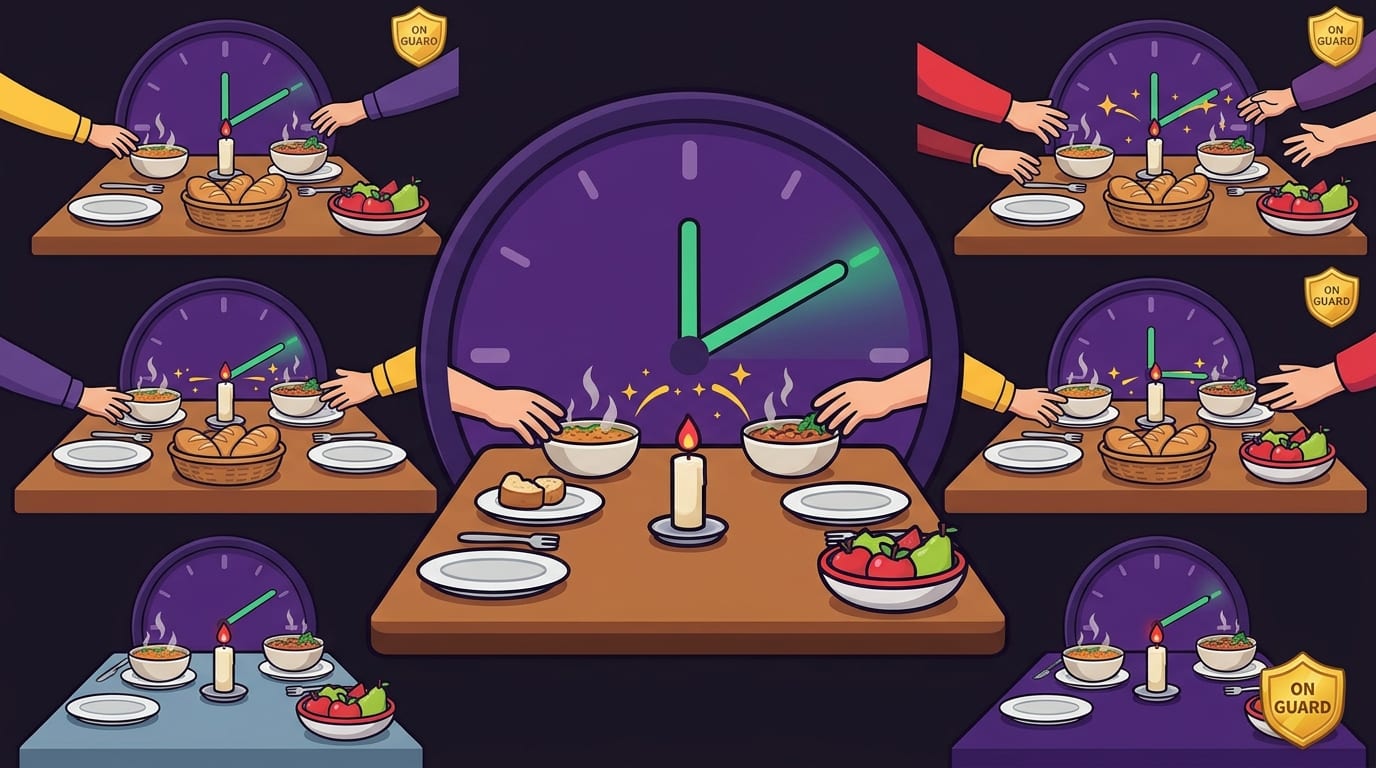
Give the activity a clear beginning. Put phones in a basket, leave them in another room, or agree to check them after the walk. If someone needs to stay reachable for a genuine reason, say so and set a narrow exception. The goal is focused presence, not rigid phone purity.
For families, consider letting each person take turns choosing the activity. For friends, make a recurring plan instead of relying on “we should hang out soon,” the social equivalent of a meeting invite with no date. Regular contact lowers the effort required to keep a relationship warm.
Protect Time for Rest, Not Just Productivity
Reclaiming quality time includes time with other people, but it also includes time that belongs to you. Rest is not a prize you earn after clearing every task. The task list is a hydra with email access; it will grow another head while you sleep.
Choose rest that actually restores you. That may be reading, cooking, stretching, gardening, listening to music, sitting outside, or doing absolutely nothing for a while. Scrolling can be relaxing for some people in moderation, but if you finish feeling more agitated or drained, it may not be the kind of rest you need at that moment.
Try making a short “rest menu” so that, when you have a free half-hour, you do not automatically open the most compelling app on your phone. Write down a few low-effort options. Keep a book by the sofa, walking shoes near the door, or a puzzle on the table. Small cues help make the choice easier.
It can also help to give rest a beginning and an end. For example, take a twenty-minute walk after work, then return to your evening. A defined break is often easier to enjoy than a vague one that comes with the nagging suspicion you should be doing something else.
For more on finding steadiness when life feels uncertain, read finding focus in uncertain times. Focus does not mean controlling everything around you. It means making a little room for what you can choose, including recovery.
Plan Quality Time Without Turning It Into Homework
Planning helps, but overplanning can make leisure feel like a quarterly business review with snacks. Keep the structure light. Decide what matters, protect a window for it, and let the details stay flexible.
A useful weekly reset can take ten minutes:
- Look at the coming week and identify one or two windows for connection or rest.
- Put those windows on the calendar, just as you would a meeting you respect.
- Choose a simple activity or agree to decide together at the time.
- Remove one predictable distraction from that window.
- Afterward, notice whether it felt worthwhile and adjust next time.
Do not try to schedule every relationship into a perfect rotation. Prioritize the people and activities that are most important right now. A busy season may mean shorter visits or more phone calls; a quieter month might make room for longer plans. Good routines can flex without collapsing.
And remember that quality time is not measured by the number of hours or the impressiveness of the activity. Ten attentive minutes can feel more connected than two distracted hours. If plans change, preserve the intention where you can: reschedule, shorten the visit, or send a thoughtful message rather than declaring the whole week ruined.
Make Progress Visible, but Keep Shame Off the Throne
Habits are easier to maintain when you can see that you are making them. Track a small behavior, such as phone-free meals, walks with someone you care about, or evenings when you finish work at your chosen time. A paper calendar, notes app, or shared family planner is enough. You do not need a dashboard with twelve charts and a tiny consultant living inside it.
Use the record to learn, not to prosecute yourself. If a planned evening gets interrupted, ask what happened and what would make the next attempt easier. Maybe the time was unrealistic, the phone was still on the table, or you needed to rest before socializing. One missed plan is information—not proof that you are doomed to become a decorative cushion who occasionally sends memes.
Gamification can make repetition more engaging. BlockChamp uses focus time, XP, levels, badges, and reigns to make it satisfying to keep distractions at bay. A streak can encourage consistency, but it should not become a source of guilt. If a day goes sideways, return to the routine when you can. Progress is built from repeated choices, not a flawless record.
You can also reflect on the quality of the time itself. After a shared activity, ask: Did I feel present? Did the other person seem engaged? Would I want to do this again? These questions are more useful than obsessing over whether the evening looked impressive from the outside.

Start Your Reign With One Small Change
Reclaiming quality time is not a dramatic retreat from modern life. It is a series of ordinary decisions: logging off when work is done, leaving a phone out of reach during dinner, making a regular plan with someone you miss, and choosing rest that genuinely helps you recover.
Pick one change for this week. Keep it small enough to repeat. Maybe it is a twenty-minute walk without notifications, a device-free breakfast, or a focused work session that ends with a real evening. Tell the people involved what you are trying, and adjust the plan if real life throws a chair into the ring.
If digital distractions make focused work or screen-free plans harder, BlockChamp can help you put a boundary between intention and impulse. Its Chrome website blocking, focus schedules for Champion users, and game-like progress tools are designed to make guarding your attention feel less like a punishment and more like defending your time. Start with the habits that matter most, and let the rest grow from there.
Your time does not need to be perfectly optimized. It needs to feel more like yours. Put the phone down, give someone your attention, and take back a small piece of the day. Long live your focus, champ.
Related posts

Healthy Tech Habits Kids

Can Children Resist Screens A Couples Home Experiment

Leave Cell Phone At Dinner
